Sonic Wallpaper: The Archivists Saving the Music You Were Never Meant to Hear
There's a particular kind of madness that sets in around the third hour of listening to a 1974 instrumental cover of 'Aquarius/Let the Sunshine In' arranged for twelve violins and a vibraphone. Dave Kowalski has heard it roughly two hundred times. He can tell you which take, which session, which regional Muzak library it came from, and — this is the part that should worry you — he can tell you whether the drummer was union.
Kowalski, 63, spent his career as a broadcast engineer in Ohio, and now he spends his retirement doing something that makes his family deeply uneasy: running what might be the last serious archive of American background music. Not the hits. Not the classics. The stuff specifically engineered to slide past your consciousness without leaving a mark.
Music Designed to Be Forgotten
Here's the beautiful joke at the center of all this: for decades, the entire business model of background music was not being noticed. Muzak's engineers — and yes, they called themselves engineers, with lab coats and everything — calibrated their orchestrations using something called stimulus progression. Tunes got slightly more energetic in the late afternoon to combat the post-lunch productivity slump. Everything was filtered to remove frequencies that might attract attention. Vocals were banned. Solos were banned. Excitement was, functionally, banned.
Which means nobody thought to preserve it. Tapes were wiped, reused, or tossed when a subscription lapsed. The library music of American commerce — the sound of dentist waiting rooms, department store mezzanines, and airport concourses from roughly 1950 to 1990 — was designed to be disposable, and disposed of it was.
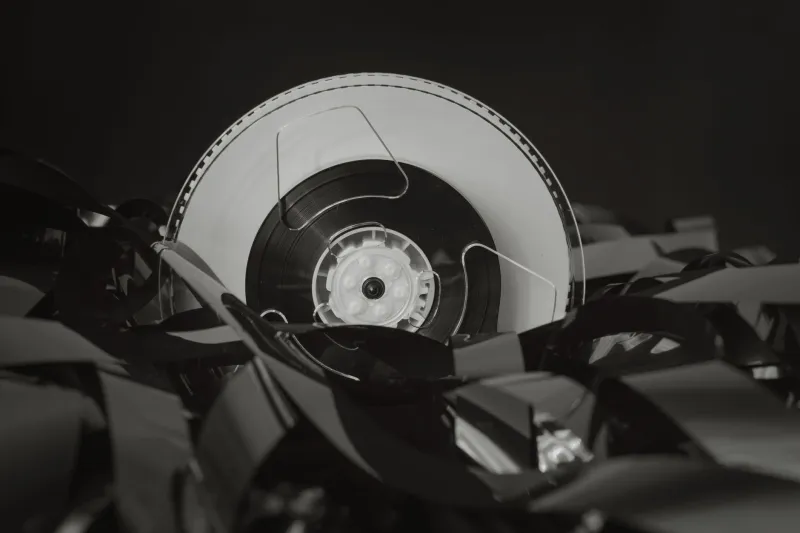
That's the hole Kowalski and a scattered network of collectors are trying to fill. They haunt estate sales and defunct radio station auctions, pulling reel-to-reel tapes of subscription service libraries out of basements in Dayton and Scranton. Some of these recordings exist in exactly one place on Earth: a cardboard box in a guy's garage in Toledo.
The Ignorable Becomes the Invaluable
The obvious question — the one Kowalski gets at every estate sale, usually from someone holding a tape up like it's a dead fish — is why. Why preserve the sonic equivalent of beige paint?
His answer has sharpened over the years. 'Because it's a diary,' he told me. 'You want to know what America was nervous about in 1962? Don't read the newspapers. Listen to what they piped into the office to keep everybody calm.'
He's got a point. Background music is a fossil record of collective anxiety — or the absence of it. The lush, sleepy string arrangements of the postwar boom era sound almost hallucinatory now, a country so confident in its own stability it commissioned orchestras to hum at its shoppers. By the late 70s, the arrangements get twitchier, more percussive, as if even the wallpaper could feel the ceiling leaking.
There's also a purer artistic argument, and it's one that a surprising number of working musicians have gotten behind. Ambient and experimental artists have been mining this material for years — the long, harmonic, deliberately eventless drone was practically the founding document of ambient music, except the corporations got there first, by accident, for accounting reasons. The most deliberately boring music ever made turned out to be a rehearsal for one of the most interesting genres of the last fifty years.
A Culture That Can't Leave the Air Empty
But there's a darker reading too, and it's the one that keeps this archive from being purely a charming hobby project. We are, right now, the most over-scored society in human history. Every elevator has a screen in it. Every gas pump talks to you. Every store, every app, every waiting room has a soundtrack, and unlike the Muzak of old, none of it was designed to be ignored — it was designed to be retained.
The old background music at least had the decency of its own indifference. It wanted nothing from you. That's what the archivists are really preserving, maybe: the last era when a corporation would pay for music specifically to leave you alone.
Kowalski puts it more bluntly. 'People ask me why I care about music nobody listened to. I tell them: nobody listens to anything anymore. At least this stuff was honest about it.'
The archive runs on donations, a broken-in iMac, and stubbornness. Digitization moves at a tape-per-week pace when things go well. Kowalski estimates they've saved maybe five percent of what existed. The rest — the sound of the American afternoon, all those strings slowly keeping the country tranquilized — has already been erased.
Which makes the five percent feel less like a collection and more like a rescue. The wallpaper is coming down everywhere else. Somebody, apparently, has to fold it up carefully and put it in the drawer.